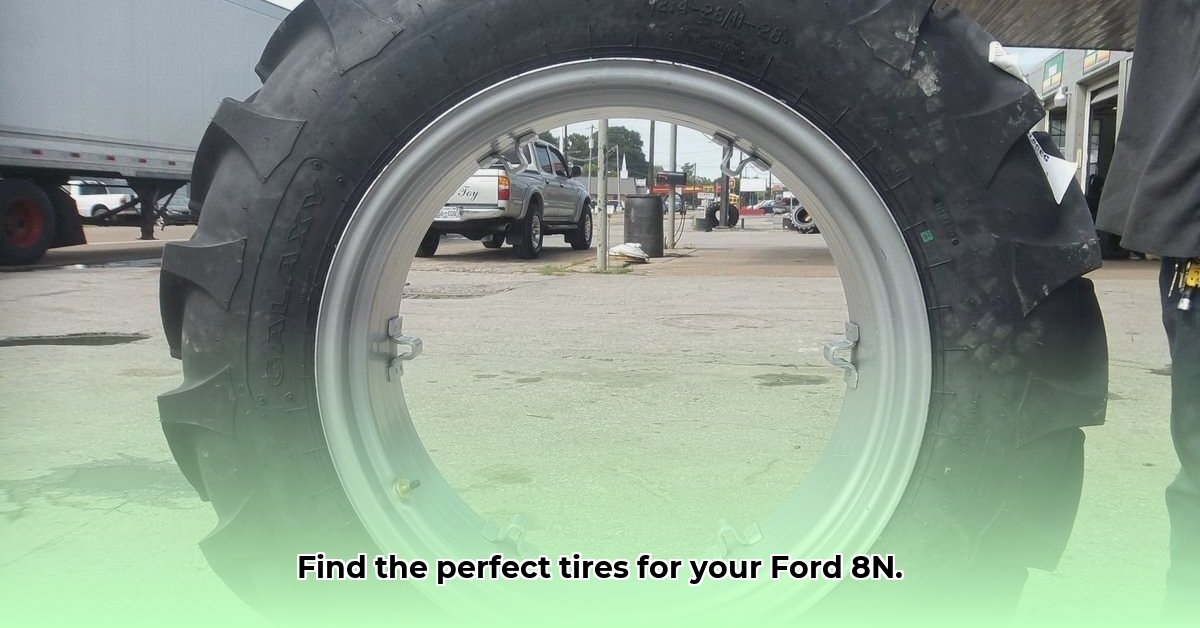
Finding replacement tires for your classic Ford 8N tractor can be challenging. Original equipment manufacturer (OEM) tires are scarce, forcing owners to navigate the complexities of the aftermarket tire market. This guide provides a step-by-step approach to sourcing and purchasing high-quality tires, ensuring your tractor remains roadworthy. For more in-depth information, check out this helpful resource: Ford 8N tire guide.
Understanding the Ford 8N Tire Market
The popularity of the Ford 8N among collectors creates significant demand for replacement parts, including tires. This demand, coupled with limited OEM availability, results in a market characterized by:
- Scarcity of OEM tires: Finding original Ford 8N tires is extremely difficult. This necessitates relying on aftermarket suppliers.
- Variable quality: The quality of aftermarket tires can vary considerably, with some being inferior or even counterfeit.
- Price fluctuations: Prices fluctuate depending on supply and demand, making careful price comparison crucial.
Given these challenges, a strategic approach is essential. This guide provides the tools for you to make informed decisions. Do you have a particular concern among these market challenges?
Finding Trustworthy Tire Suppliers
Several avenues exist for sourcing Ford 8N tractor tires, each with its own pros and cons:
Online Marketplaces (Amazon, eBay): These offer convenience and vast selection. However, carefully scrutinize seller ratings and reviews. Counterfeit or substandard tires are a real risk. A high seller rating doesn't automatically guarantee quality.
Specialized Antique Tractor Parts Suppliers: Companies like Steiner Tractor Parts specialize in parts for older tractors. These suppliers often offer better quality assurance, customer service, and transparency, though at a potentially higher price. Are reputable suppliers always the most expensive?
Local Agricultural Supply Stores: Your local farm supply store might surprisingly carry suitable tires, or at least be able to guide you to a reliable supplier. The personal interaction provides valuable insights unavailable online.
Before committing to a purchase, always verify the supplier's reputation, check return policies, and investigate the tire's origin and quality. Transparency is key. What questions should you always ask potential suppliers?
Assessing Tire Quality: Identifying High-Quality Tires
Distinguishing high-quality tires from inferior options requires careful evaluation. Consider these aspects:
Visual Inspection: Check for any signs of damage such as cracks, bulges, or uneven tread wear. These defects can indicate structural weakness and compromise safety. How can you distinguish between acceptable and unacceptable wear?
Tread Depth: Sufficient tread depth is essential for traction and braking performance, especially in wet or muddy conditions. What’s the minimum acceptable tread depth for your Ford 8N?
Load Capacity (Load Index): Always verify that the tire's load capacity matches or exceeds the requirements of your tractor. Overloading can lead to tire failure and potential accidents. How do you determine the correct load capacity for your specific tractor?
Tire Construction (Bias-Ply vs. Radial): Bias-ply tires are durable but may provide a harsher ride. Radial tires offer a smoother ride and better fuel efficiency but might be less durable. Research the best construction for your needs and driving conditions.
A reputable supplier should readily provide detailed information about the tire's construction and specifications. Don’t hesitate to ask!
Negotiating Price and Avoiding Gouging
Price comparison shopping is crucial. Obtain quotes from multiple suppliers before making a decision. Negotiate, especially for bulk purchases. While the cheapest option might seem appealing, remember the adage: "You get what you pay for.” A cheap tire that fails prematurely increases long-term costs. What’s more expensive: a cheap tire that needs quick replacement or a more expensive, longer-lasting option?
Tire Installation and Maintenance
Proper tire installation is essential. If you lack expertise, consult a qualified mechanic. Improper installation can damage both the tires and your tractor. Remember, regular maintenance is vital. Check tire pressure frequently and inspect for any signs of wear or damage, addressing small issues before they become major problems.
Long-Term Strategies
Given the ongoing scarcity of OEM tires, planning ahead is important. Consider these options:
- Retreading: Extends the life of existing tires, offering a cost-effective solution.
- Alternative Tire Sizes: Explore alternative tire sizes that might fit your rims and meet your performance needs.
Proactive planning ensures your Ford 8N remains operational for years. What long-term strategy best mitigates risks associated with tire availability and cost?
Conclusion
Navigating the Ford 8N tire market requires careful planning and due diligence. By following this guide, you'll significantly increase your chances of finding high-quality tires at a fair price, keeping your classic tractor running smoothly for years to come. Happy restoring!